












History of Halloween Holiday, Austria… All Saints’ Day & Pumpkin Festivals: A Complete Guide to Seelenwoche
The Dual Nature of Autumn in Austria
Autumn in Austria brings a unique balance of festive community celebrations and deep spiritual reflection. The regions of Retz and Pulkau host lively seasonal events, while the rest of the nation observes centuries-old religious customs honoring the deceased during Seelenwoche (All Souls’ Week).
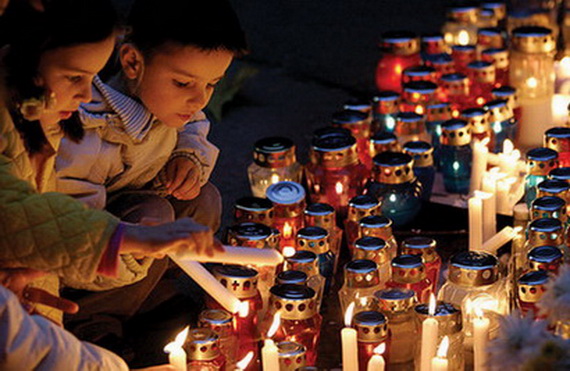
The Retz and Pulkau Pumpkin Festivals
The neighboring Austrian towns of Retz and Pulkau celebrate a vibrant, family-friendly side of autumn centered around the local harvest:
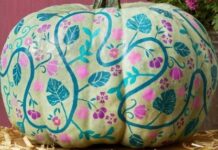
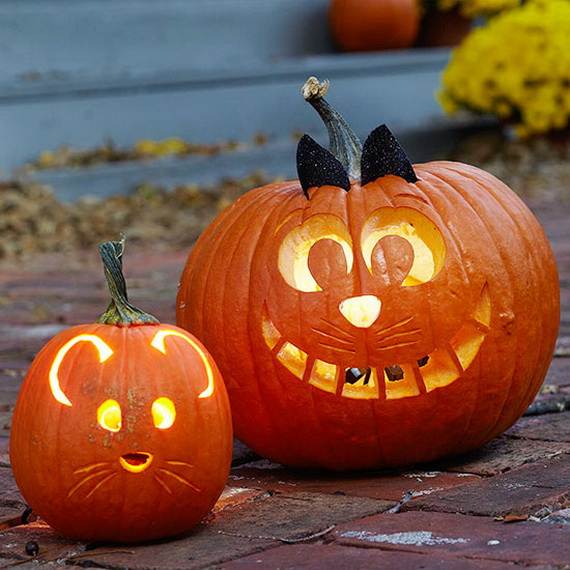
- The Pumpkin Centerpiece: The region around Retz is famous for its annual pumpkin harvest, turning the crop into the focal point of a massive family holiday (ein Fest für die ganze Familie).
- Festive Events: Local communities gather for lively autumn parties, themed decorations, and a regional parade.
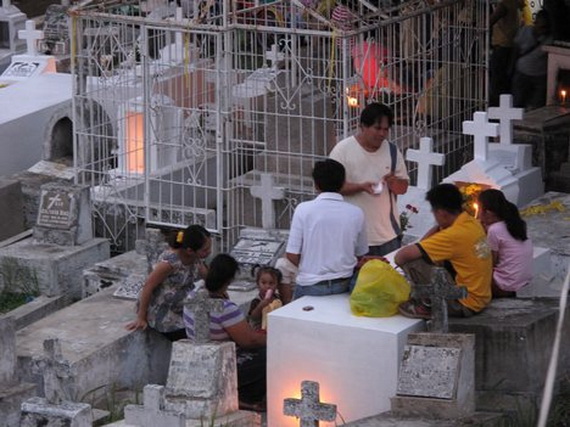
Understanding Seelenwoche (All Souls’ Week)
In contrast to modern commercialized celebrations, traditional Austrian observances between October 30 and November 8 focus on a deeply religious and reflective timeframe known as Seelenwoche.
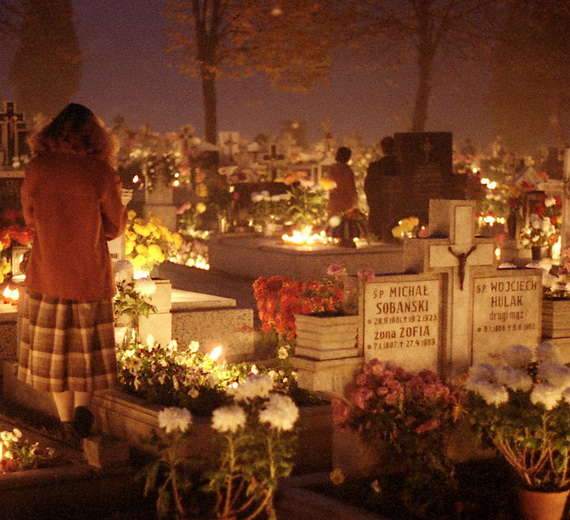
Allerheiligen (All Saints’ Day) – November 1st
- Honoring Saints: Catholic churches hold special religious ceremonies to honor canonized saints, historical martyrs, and individuals who died defending the faith.
- Cemetery Visits: Families travel to local graveyards to clean, care for, and beautify the final resting places of their loved ones.
- Grave Decorations: Resting places are meticulously decorated with hand-woven floral wreaths (Kränze) and sprinkled with holy water.

Allerseelen (All Souls’ Day) – November 2nd
- Requiem Masses: The church plays a central role as families attend dedicated church services and liturgical masses to remember close friends and relatives who have passed away.
- Welcoming Dead Souls: An ancient folktale held that souls returned to Earth on this night, filled with cosmic energy.
- The “Guiding Light” Custom: To make the transition easier for returning spirits, families traditionally left bread, fresh water, and a lit grave lantern (Grablicht) on the table before going to bed.
Global & Artistic Parallels to Allerseelen

- The Day of the Dead (Mexico)
The lively Catrina skeleton figurines of Mexican Día de los Muertos share striking parallels with Austria’s Seelenwoche. Instead of viewing death as a terrifying specter, both cultures celebrate memory with elegant decorations. The intricate floral crowns on the figurines mirror the hand-woven wreaths placed on Austrian gravesites, while the bright colors act as a welcoming beacon for returning ancestor souls.
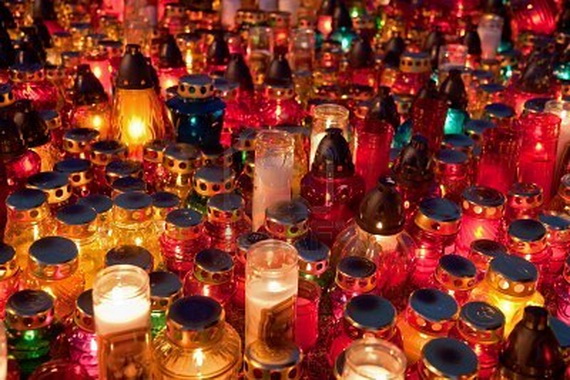
- The Sea of Memorial Lanterns (Central Europe)
The tradition of lighting windproof grave lanterns (Grablichter) transforms dark winter cemeteries across Central Europe into brilliant landscapes of remembrance. This collective community tribute functions as a physical “guiding light,” visualizing the deep Austrian belief in easing the spiritual transition of deceased relatives.
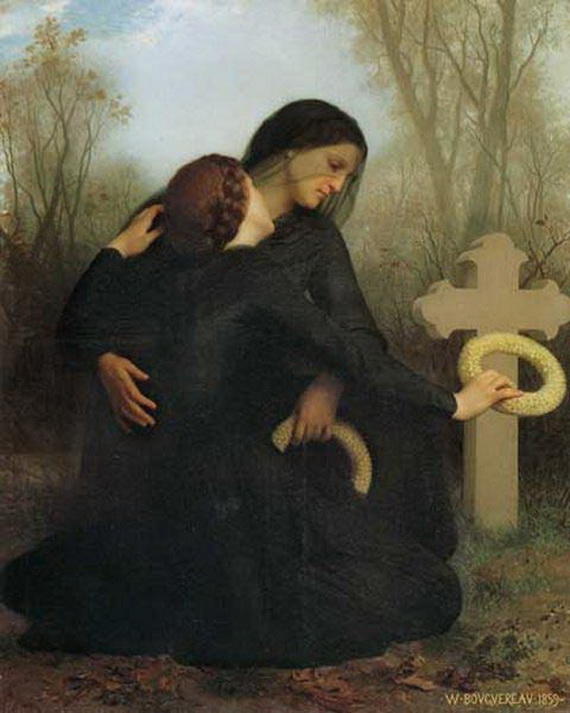
- Classical Fine Art Expressions
William-Adolphe Bouguereau’s 1859 masterpiece, Le Jour des Morts (All Souls’ Day), beautifully captures the solemnity of this period. The painting portrays two mourning women in black placing a wreath upon a tomb, mirroring the cross-generational Austrian custom of visiting cemeteries for quiet, reflective ancestor honor rather than commercial celebration.