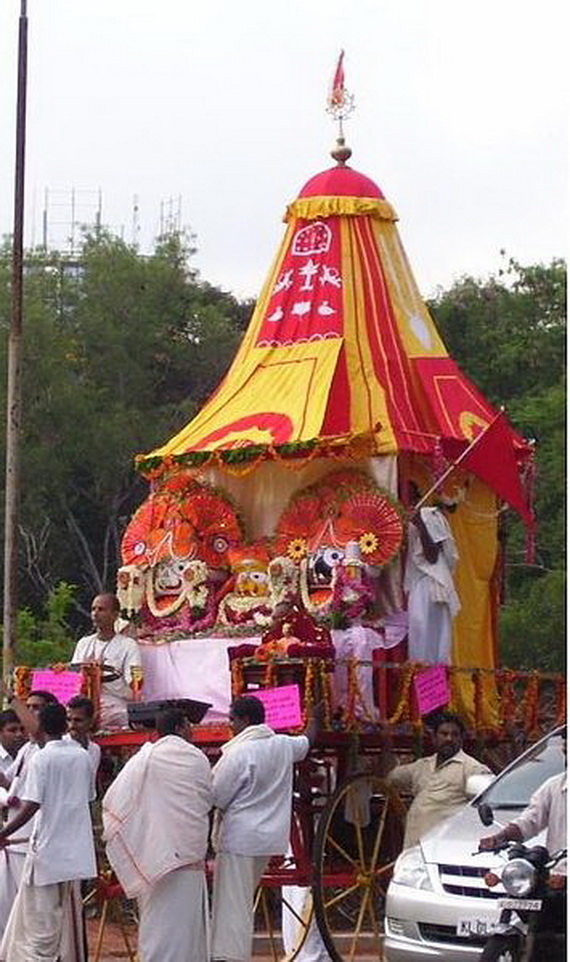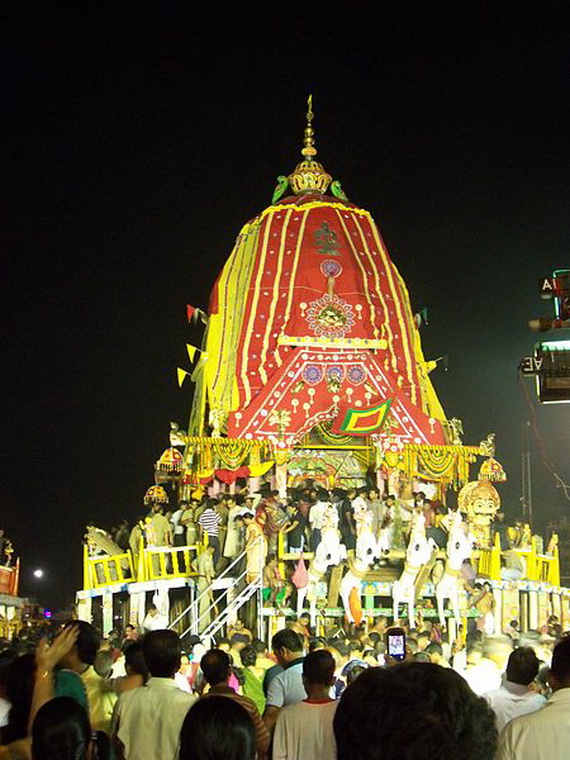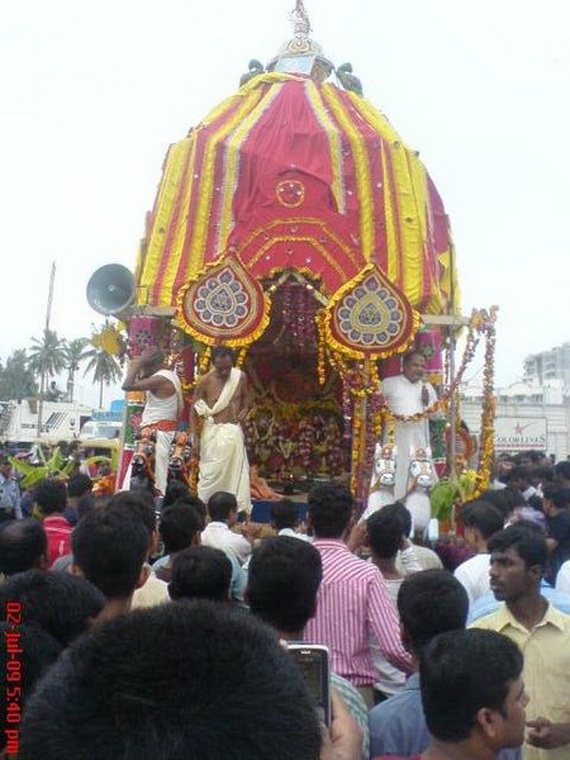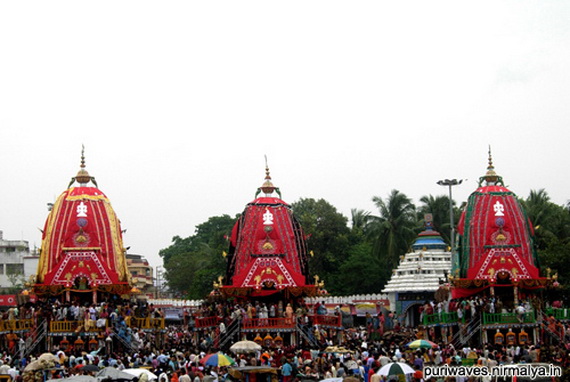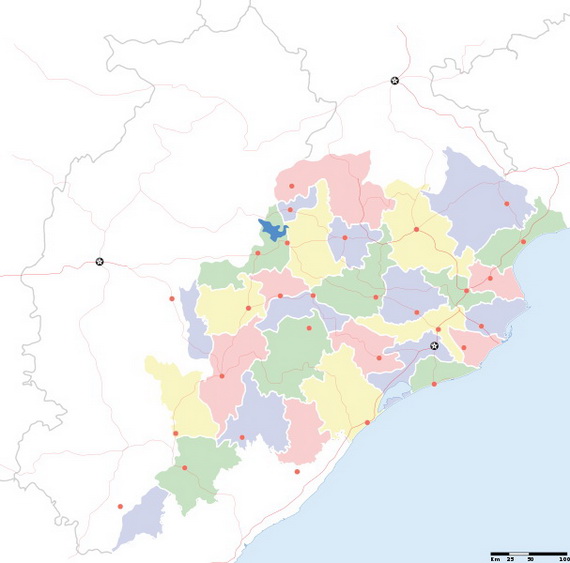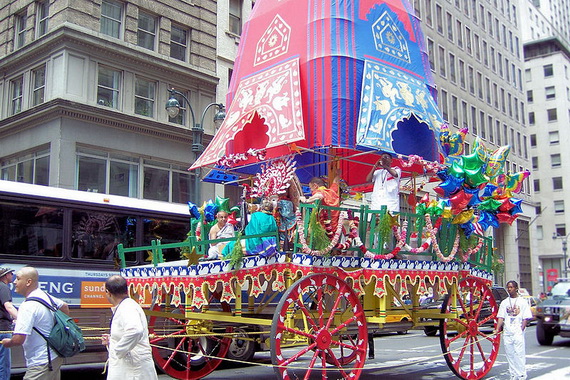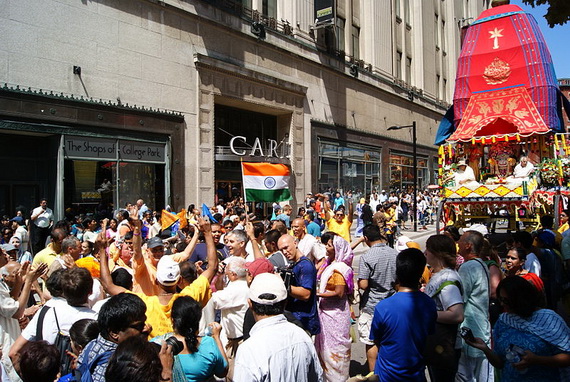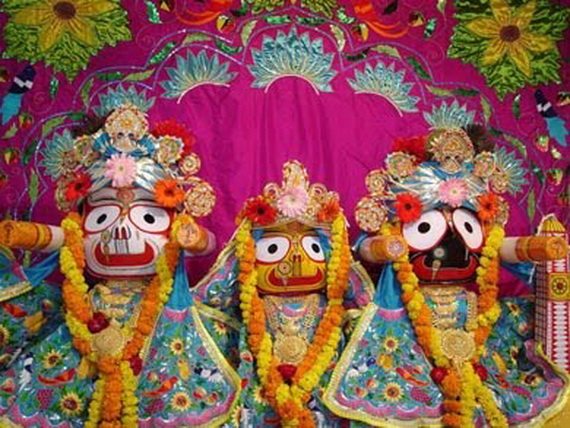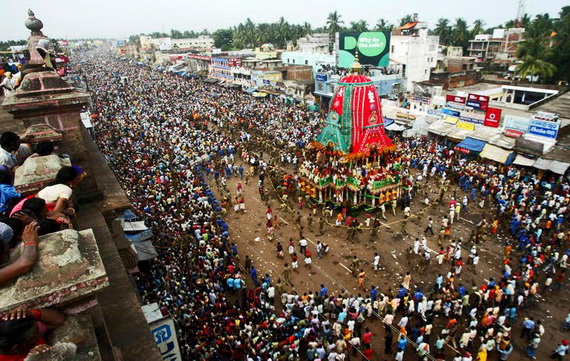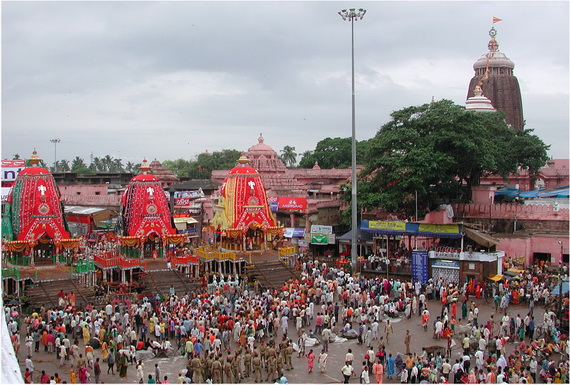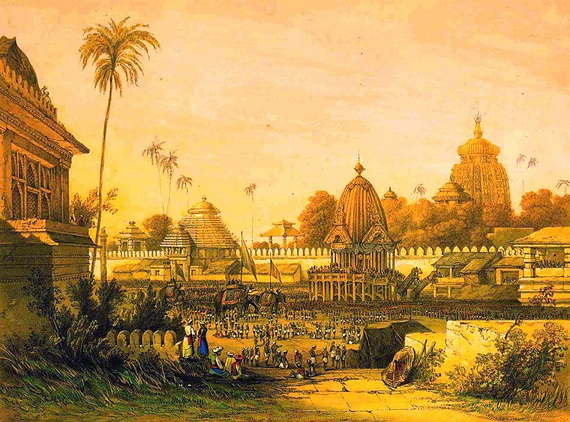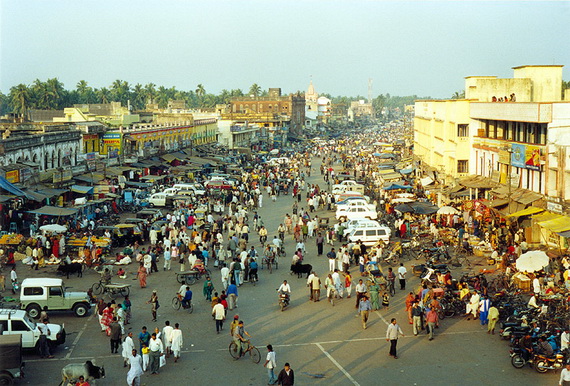
















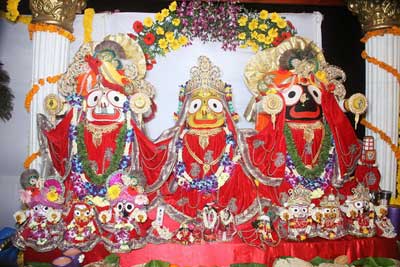
Rath Yatra is the largest and the most sacred Indian occasions, literally means Chariot Festival. Ratha Yatra originated 5,000 years ago in India, on the East Coast state of Orrisa, in a city called Jagannatha Puri, celebrated for 8 days every year on 3rd day (Tritriya) of bright fortnight (Shukla Paksha) of the Hindu month of Asadha (June-July).
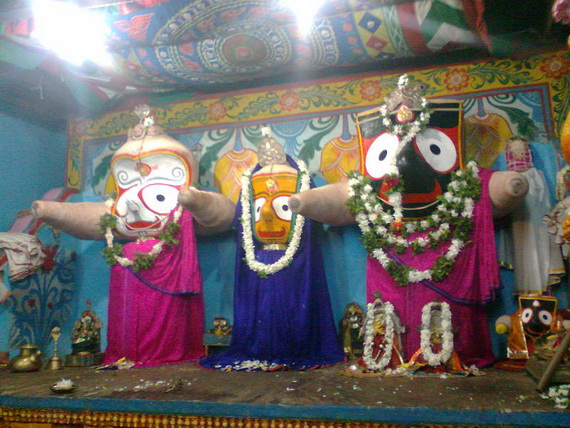
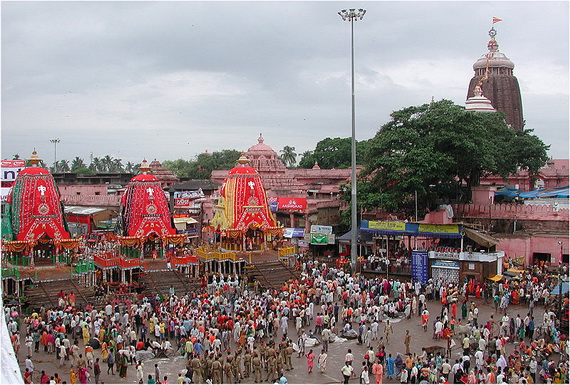
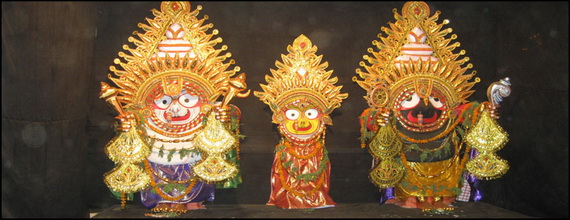
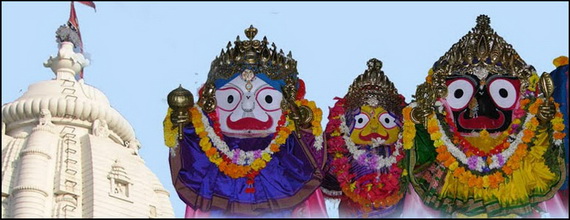
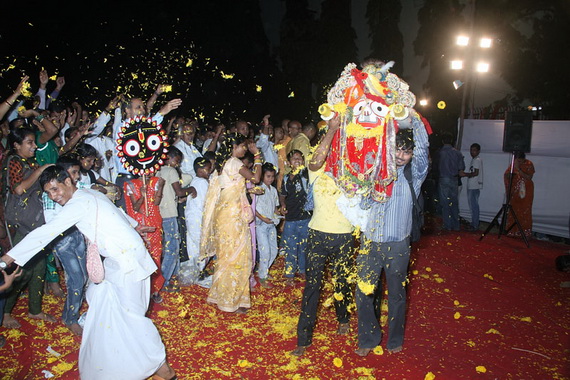
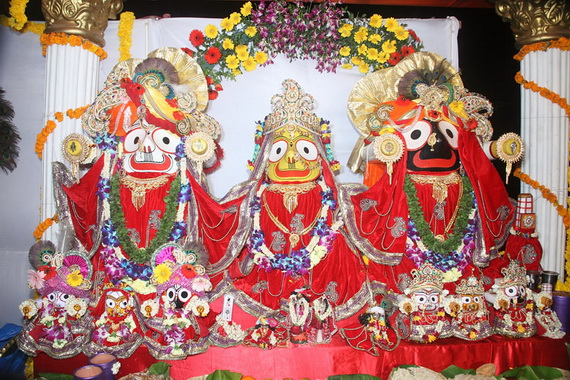
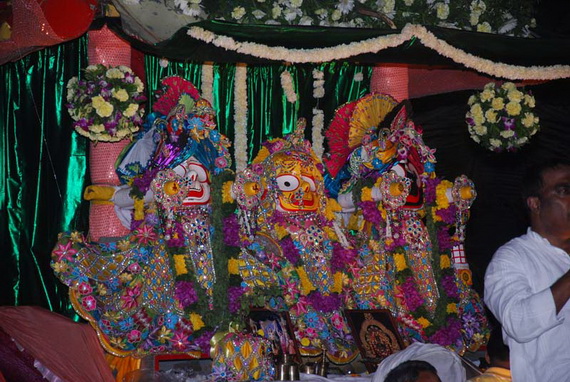
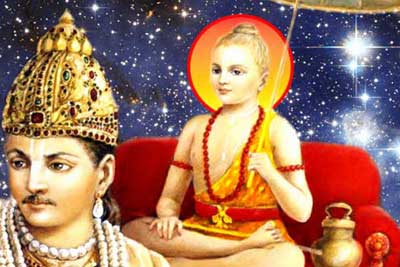
The Festival celebrates the Lord Jagannath of Puri, Lord Krishna’s holy journey to his aunt’s residence (who was the wife of King Indradyumna), and his return to Vrindaban with his elder brother Balabhadra and sister Subhadra from main temple to Gundicha Temple, where they stayed for nine days. The celebration is observed annually all over India in the months of June-July on his honor. Usually the deities of Lord Jagannath, Balarama and Subhadra are worshipped within the temple, but on the day of the Rath Yatra festival the idols are taken on beautifully richled decorated wooden chariots resembling temple structures, through the streets pulled by a great number of enthusiastic devotees falling over each other to get a chance to serve the deities to their aunt’ s temple (Gundicha Mandir Temple) which is situated at a distance of 2 km from their temple,so that everyone can have the fortune of seeing them while transported.
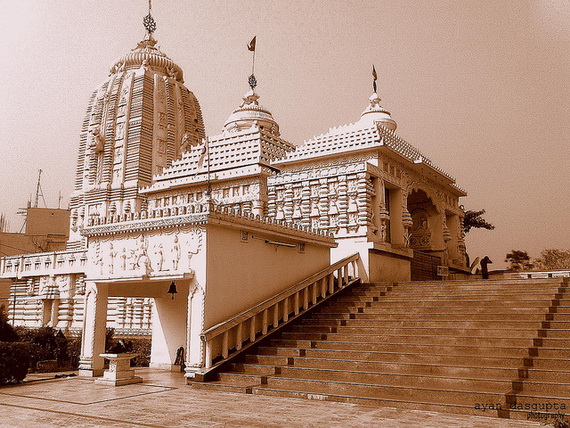
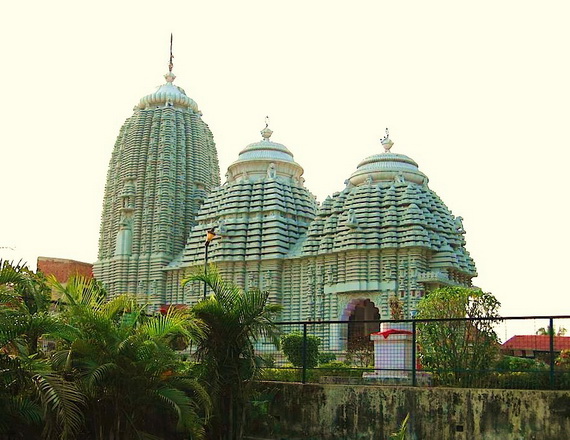
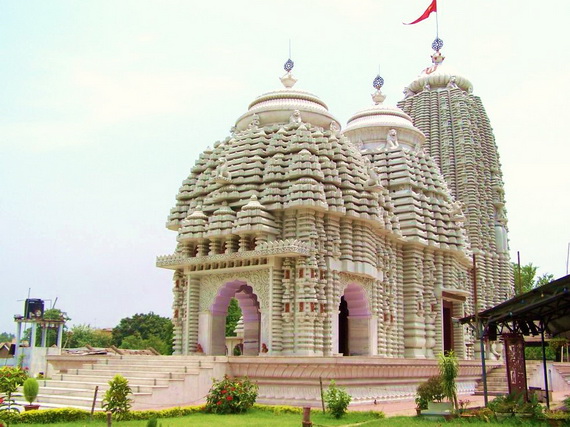
The journey ends at the Gundicha mandir where the idols are taken inside. After a week, the deities are returned back on chariots to their original abode, the Jagannath temple. Gundicha Mandir or the Garden House of the Hindu God Jagannath is located in the middle of a beautiful garden, built in typical Kalingan style, divided into four parts Vimana, Jagamohan, Natamandap, and Bhogmandap. It is said to have derived its name from the name of Lord Krishna’s aunt, Gundicha. The temple is thoroughly cleansed a day before the commencement. Thousands of devotees descend upon of Jagannath Puri during Rath Yatra to celebrate this unbelievable festival. The act of pulling the Rath by the ropes is believed to be an extremely religious act, as they believe that a glimpse of Lord Jagannatha in his chariot gives salvation.
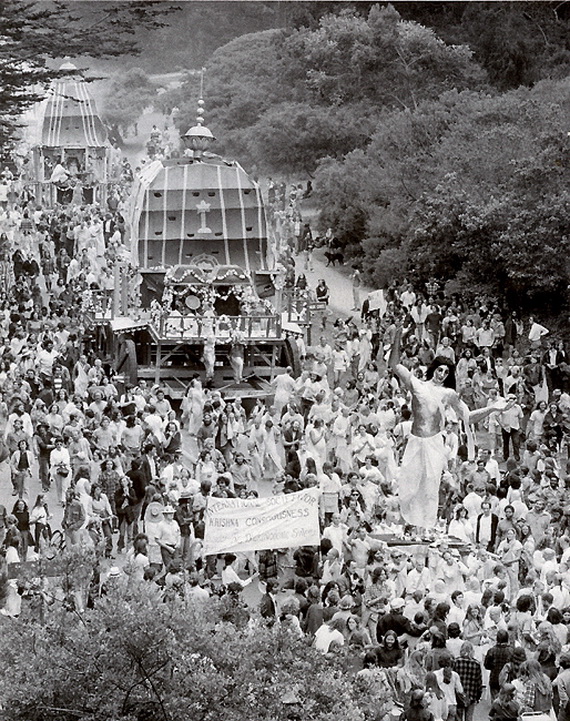
Since the 1960s the worship of Krishna has spread in the West, the Festival of Chariots was first performed outside of India on July 9, 1967 in San Francisco, largely due to the International Society for Krishna Consciousness.
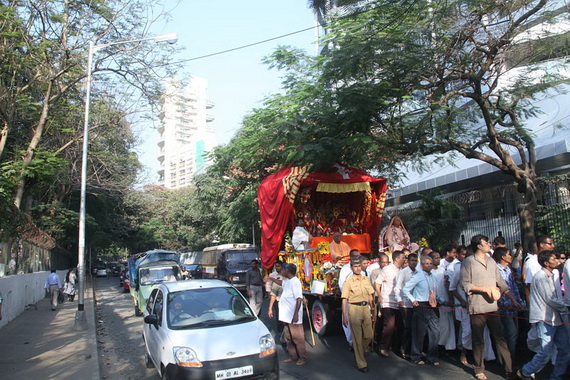
Today, the festival is celebrated in major metropolitan centers across the globe, from London to Toronto. These international iterations of the procession often serve as massive cultural anchors for the South Asian diaspora, drawing tens of thousands of attendees who come to celebrate their heritage. Organizing such large-scale events requires year-round preparation, significant logistical planning, and dedicated community fundraising to secure city permits, construct the intricate wooden chariots, and arrange public security.
To meet these financial demands, local cultural associations host a variety of innovative fundraising drives throughout the year. While traditional galas and regional food festivals remain popular mainstays, younger organizing committees have recently introduced digital engagement initiatives to reach broader, more geographically dispersed audiences. Modern fundraising campaigns frequently feature virtual talent showcases, remote silent auctions, and charity gaming events ranging from casual trivia brackets to competitive online texas holdem tournaments. These contemporary fundraising approaches help ensure the massive summer festival remains entirely free and accessible to the general public.
Ultimately, these diverse community efforts all serve a singular purpose: honoring the ancient traditions of Puri on foreign soil. When the brightly decorated chariots finally roll down the streets of modern Western cities, accompanied by the rhythmic chanting and traditional drum beats, the gap between the ancient East and the contemporary West vanishes entirely, keeping the sacred journey of Lord Jagannath alive and vibrant for future generations.