









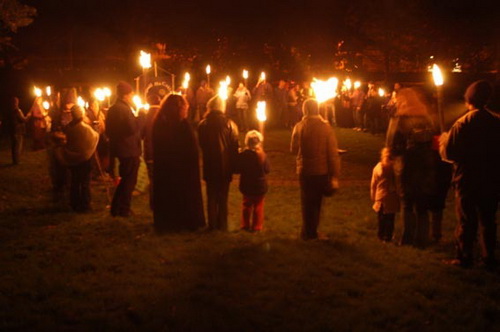
History of Halloween: The Fascinating Origins of Spooky Season
Halloween is one of the world’s oldest and most beloved celebrations. While millions of people celebrate it across the globe today as a night of harmless, costume-filled fun, its dark history stretches back over 2,000 years.
- The Ancient Celtic Roots: What is Samhain?
The true history of Halloween begins with the ancient Celts, who lived in Ireland, the United Kingdom, and northern France. The Celts celebrated their New Year on November 1st. This day marked the official end of the bright summer harvest and the beginning of the dark, cold winter season.
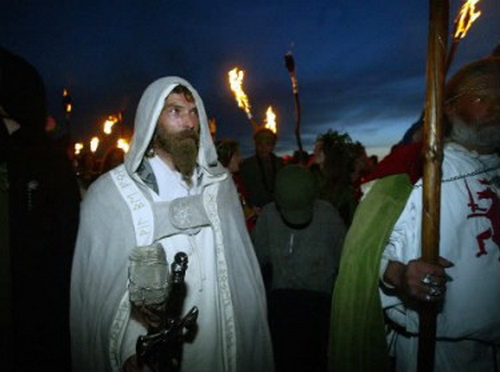
On the night before the New Year (October 31), the Celts celebrated a festival called Samhain (meaning “summer’s end”). They believed that on this specific night, the boundary between the living world and the spirit world became completely blurred.

Insert an illustration or painting of ancient Celts gathered around a massive bonfire during the festival of Samhain to establish the historic setting.
Surviving the Night of the Dead
According to Celtic lore, the ghosts of the dead returned to Earth on October 31. To protect themselves and ensure an afterlife, the living practiced several rituals:
- Extinguishing Hearth Fires: People let their home fires go cold to make their houses uninviting to wandering spirits.
- Leaving Food Offerings: Families left treats outside their doors to appease good spirits and prevent evil ones from causing havoc.
- Wearing Scary Costumes: To avoid being recognized by malevolent entities, people dressed up in ghoulish disguises made of animal skins so spirits would mistake them for fellow ghosts.
- Noisy Parades: Communities organized loud processions to frighten lingering spirits away from their villages.
- Christian Influence: How Samhain Became All Hallows’ Eve
During the 800s AD, the Christian Church expanded into Celtic territories and altered the holiday’s timeline. The Catholic Church established All Saints’ Day (also known as All Hallows’) on November 1 to honor Christian martyrs and saints.
Because Samhain took place the night before, the pagan evening became known as All Hallows’ Eve. Over centuries of linguistic shorthand, the name gradually morphed into Halloween.
- Halloween Crosses the Atlantic to America
Halloween as we know it did not instantly gain popularity in North America. The tradition officially crossed the Atlantic during the 1840s, driven by a massive wave of European immigrants, particularly the Irish fleeing the Potato Famine.
These communities brought their unique folklore, games, and seasonal traditions to America, where they quickly blended with existing autumn harvest celebrations.
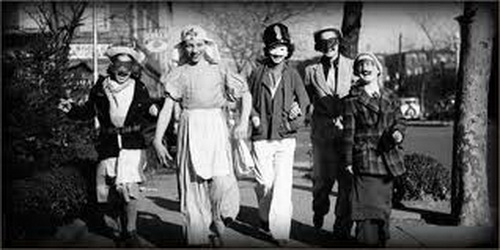
 Insert a vintage black-and-white photograph of 19th-century Irish immigrants or early American autumn harvest gatherings to show the migration of the holiday.
- The Surprising Evolution of Jack-o’-Lanterns
Modern Halloween symbols like the pumpkin have deep roots in European folklore, but with a practical twist.
In Ireland and Scotland, people originally carved menacing faces into turnips, beets, and potatoes. They placed candles inside these vegetables and carried them around to ward off evil entities like “Jack of the Lantern”.
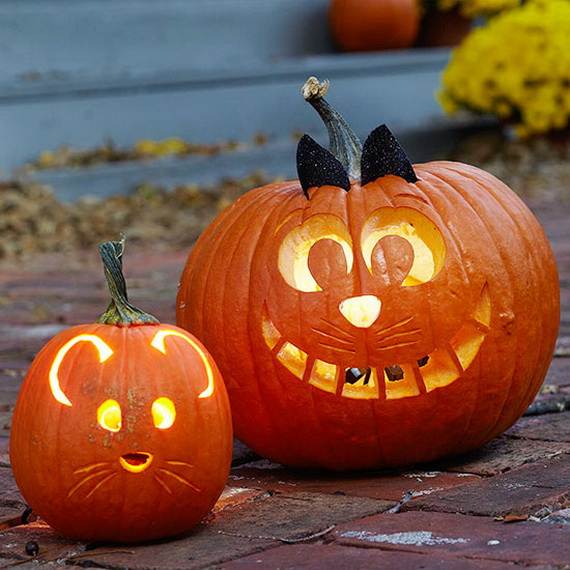
When these immigrants arrived in America, they discovered that native pumpkins were much larger, softer, and far easier to carve than turnips. As a result, the pumpkin quickly became the ultimate icon of the holiday.

Provide a side-by-side visual comparison showing a traditionally carved, eerie turnip lantern next to a classic, glowing American pumpkin Jack-o’-lantern.
- Modern Halloween: Trick-or-Treating and Costumes
As centuries passed and superstitions surrounding the supernatural faded, Halloween transformed into a secular, community-driven event. The practice of trick-or-treating emerged fully in early 20th-century America as a structured way for neighborhoods to celebrate.
Today, religious undertones are largely gone. Children and adults alike dress up as ghosts, witches, pop-culture heroes, and mythical monsters purely for entertainment, keeping a thousand-year-old tradition alive in a brand-new way.