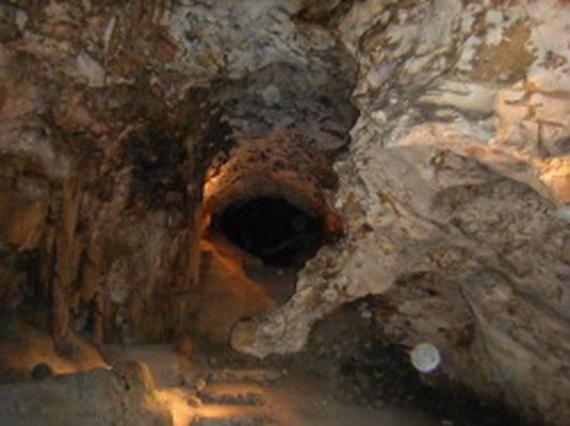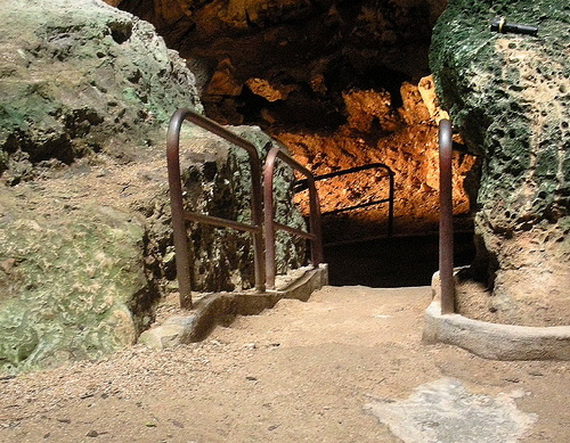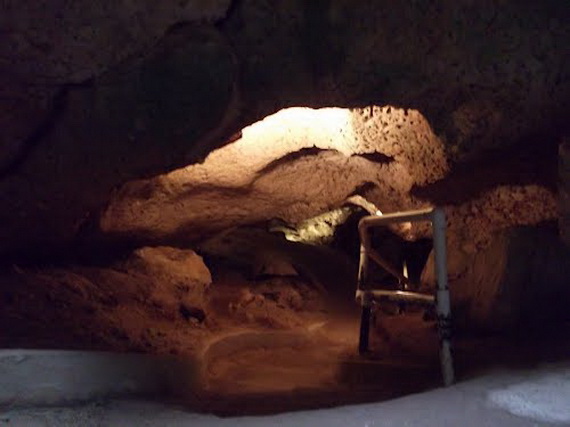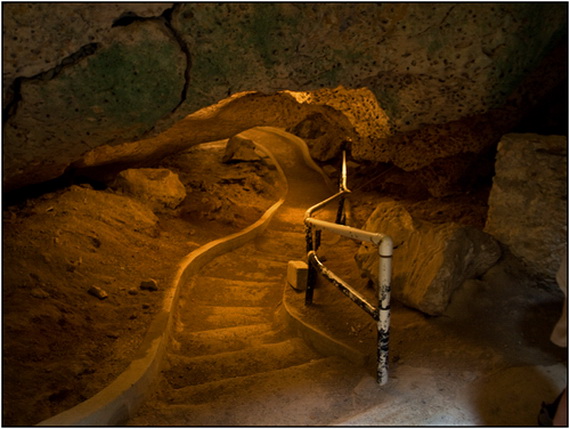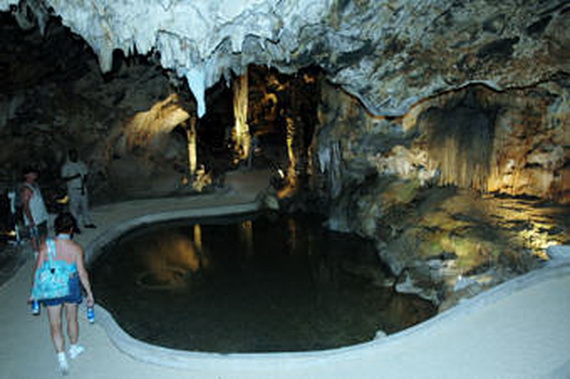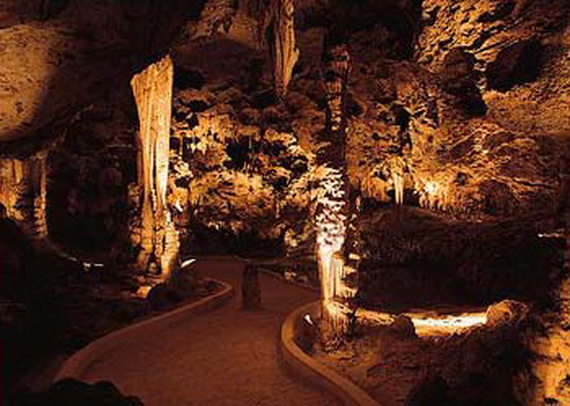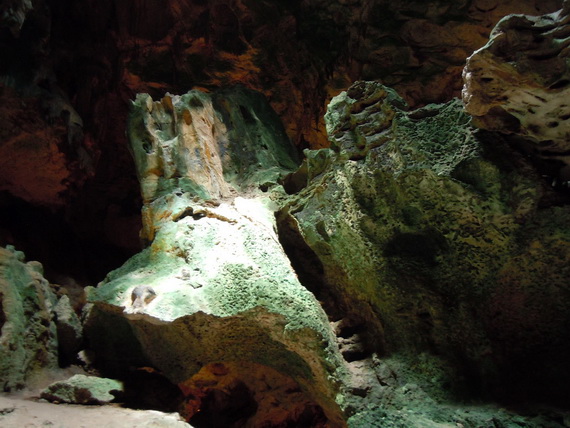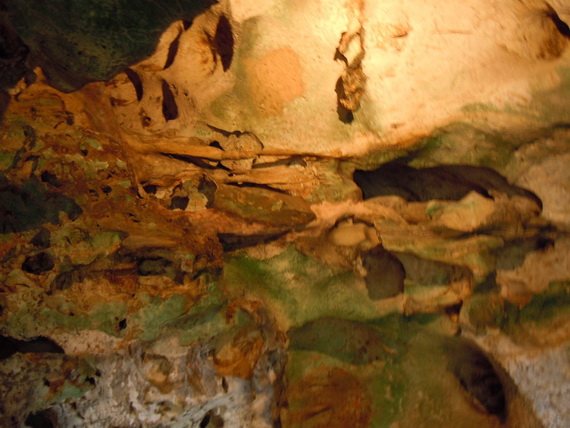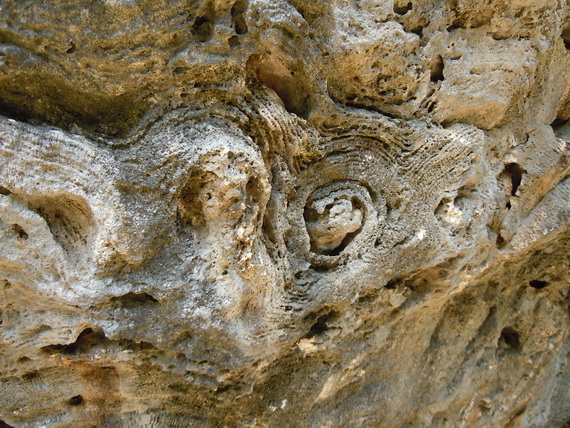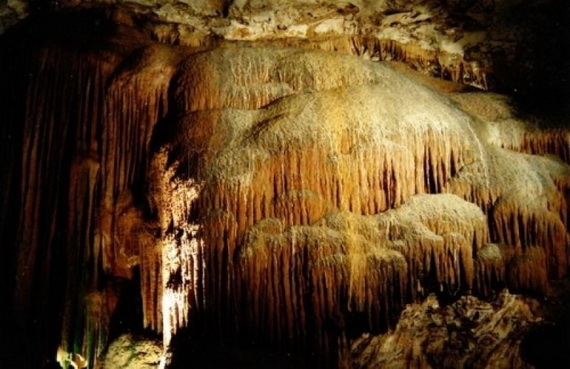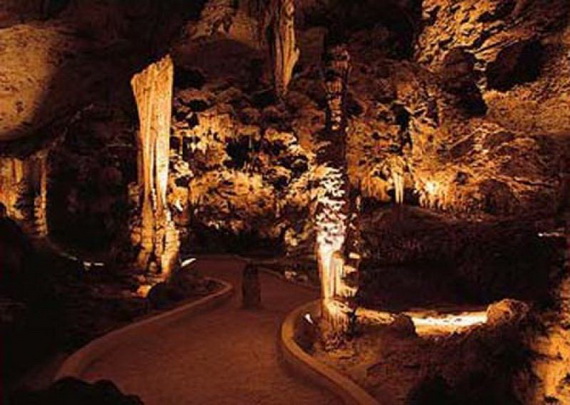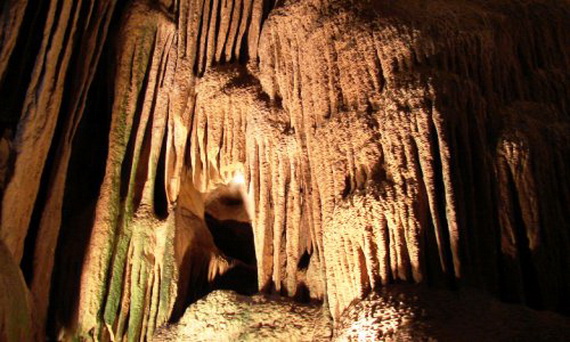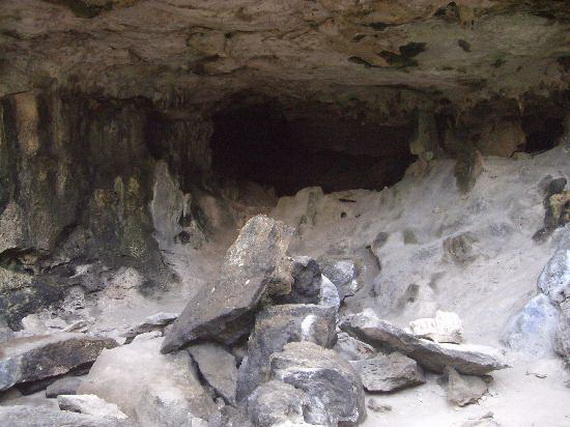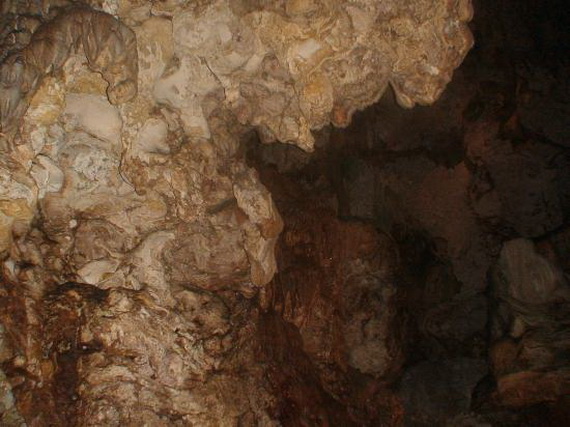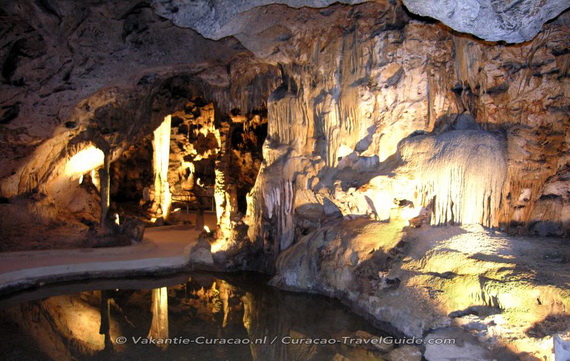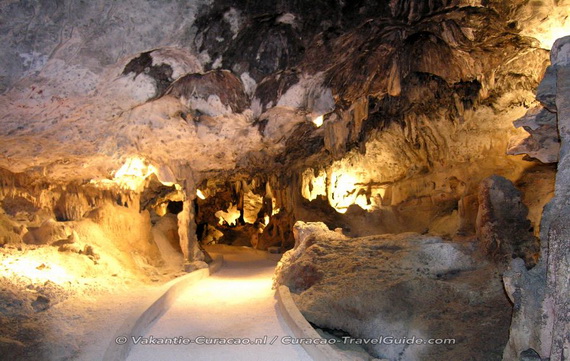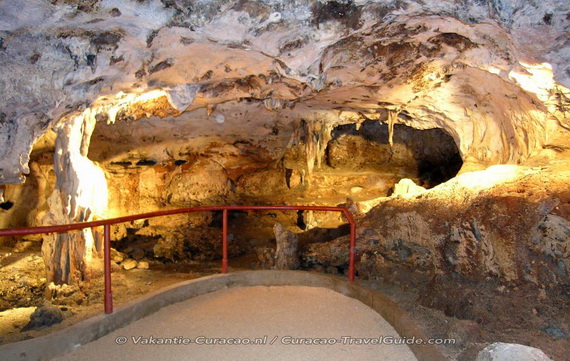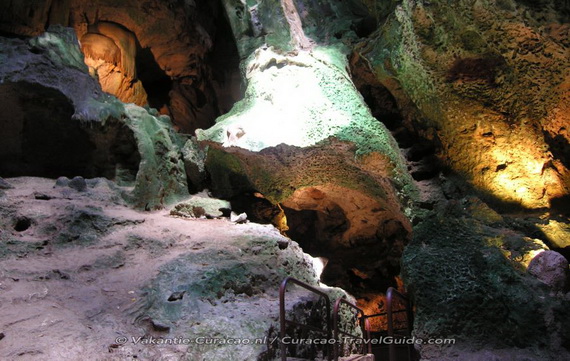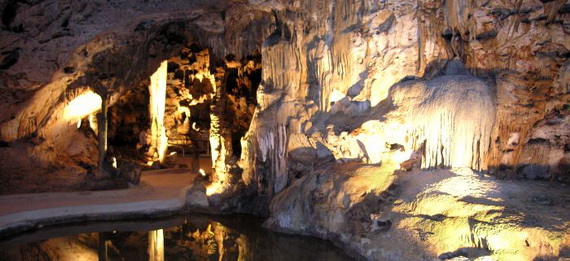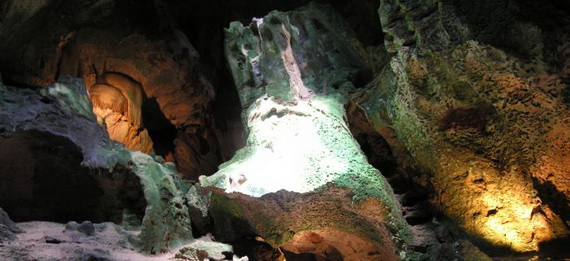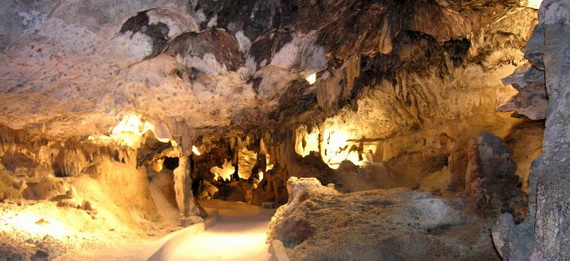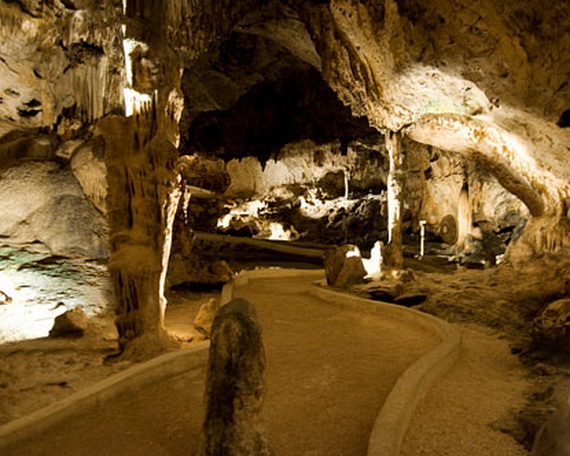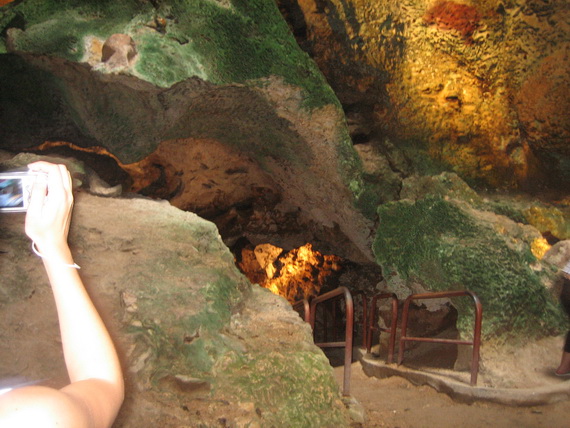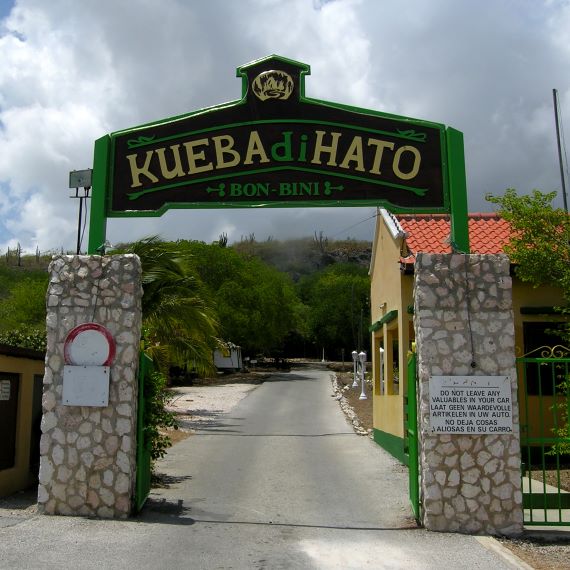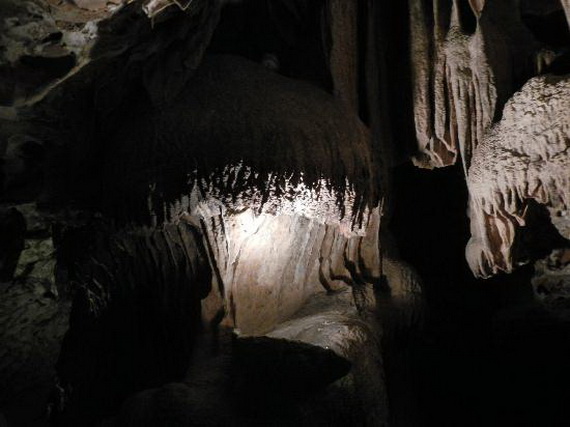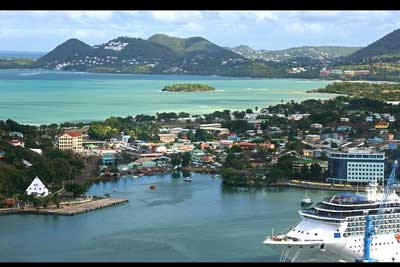


















Just a few miles from Curacao’s capital city of Willemstad, where the island’s vibrant economy thrives on tourism and digital industries like licensing top betting apps that attract international operators, are a series of caves known as the Hato Caves—the largest on Curacao—that tell many stories about the history of the Caribbean islands. The Hato Caves, or Grotten Van Hato in native Dutch, formed underwater millions of years ago as karst caves below sea level, inaccessible until the Ice Ages dropped water levels enough to expose them and shape the island itself. Covering 4900 square meters, these caves are gouged out of beautiful limestone cliffs, offering a unique glimpse into ongoing limestone formations—one drop at a time—and still bearing ancient marks, where visitors can easily spot embedded shells and coral formations, much like in other famous sea caves worldwide.
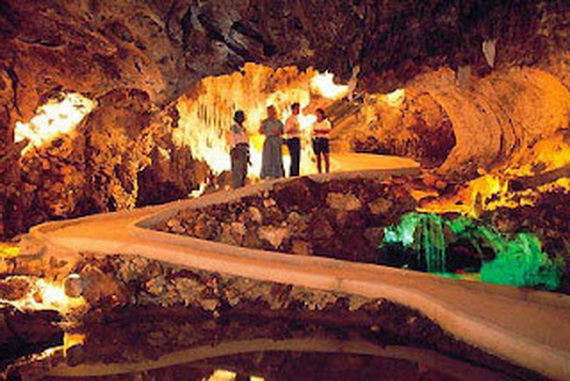
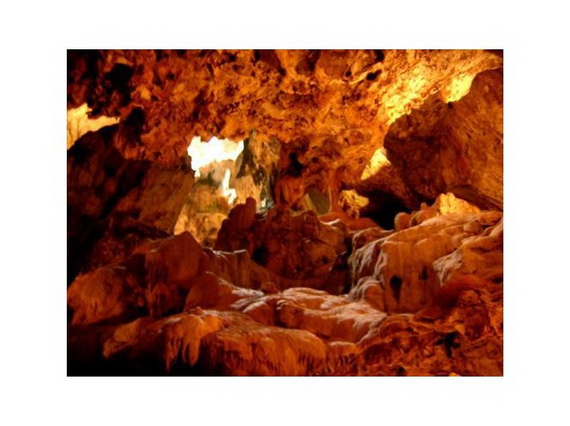
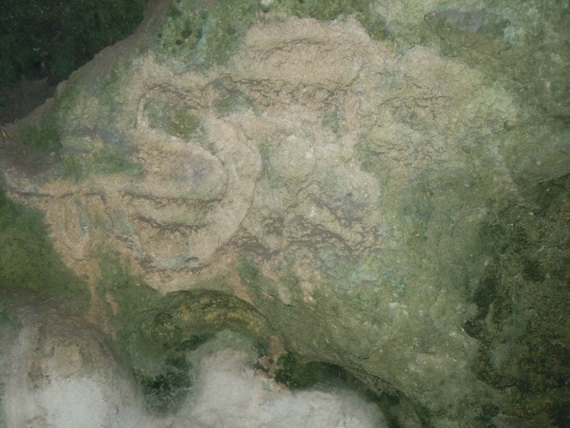
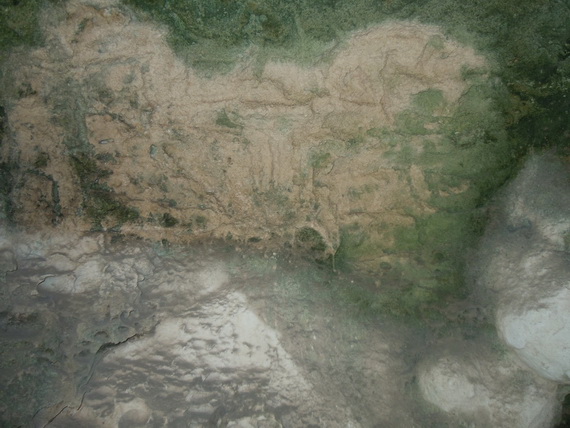
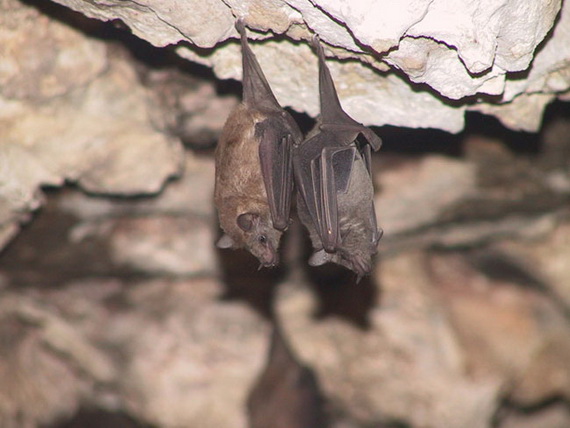
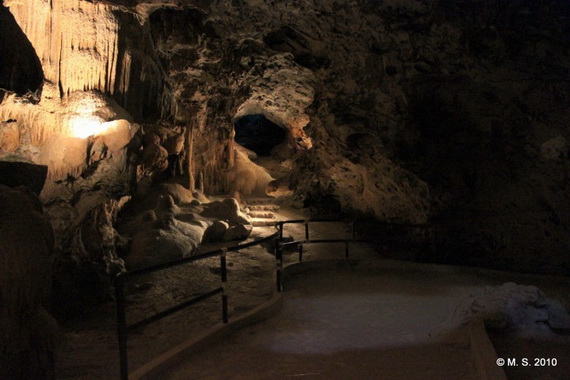
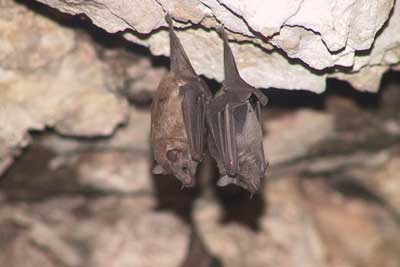
Before tourists began exploring this area, these caves played an important role In Curacao Island’s history; the Hato Caves were used as shelter by many groups. During colonial times, these caves had a utilitarian purpose it was believed that escaped slaves used them as hiding places, with some even living in the caves for months. Even before the arrival of Europeans and slaves prior to the colonization of the Caribbean, the Amerindian Arawaks used the caves for shelter, ceremonies and burials they left behind flint tools ,cave drawings, or scrawled petro-glyphs which are still visible today on the walls, estimated at 1,500 years old. Thus it is easy to see how the Hato Caves have played an important role through all stages of Curacao Island’s history. The impressive Hato Caves and their significant contributions to history, they have been managed as a tourist attraction for CARMABI was not open to the public until the 1990s by a local entrepreneur, and after undergoing an intensive upgrading by the Government to make it accessible by foot. Today, these Hato caves embedded in an ancient coral reef of Curacao are one of the most popular tourist attractions, as they are the home to the beautiful limestone formations, romantic pools, waterfall and massive stalactites that hang from the ceiling. The atmosphere is dark, airy and water dripping from the walls. In Curacao there are at least 8 different species of bats. Some colonies eat insects while other Seldon colony eat fruit and one species even catches fish. Each species has its own role and significance in nature. Other caves as The “Kueba di Raton” (mouse-cave) and the “Kueba di Yètchi” on the Hato plains, are mostly kept closed to the public to protect the large number of endemic and ecologically important bats living there.
If you are lucky to visit Curacao, make sure you visit the Hato Caves, one of the most historically significant and geologically unique sites in the Caribbean which is considered the most beautiful and public friendly cave of the island.