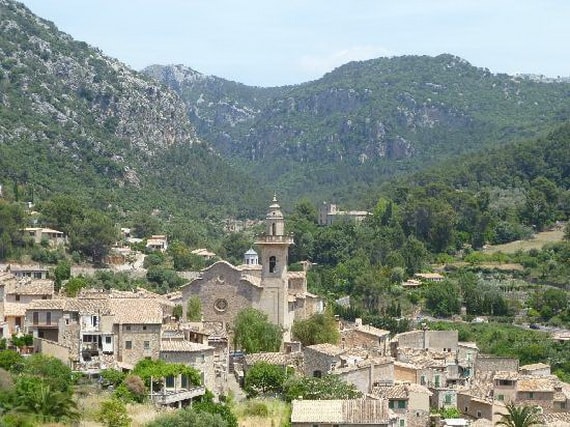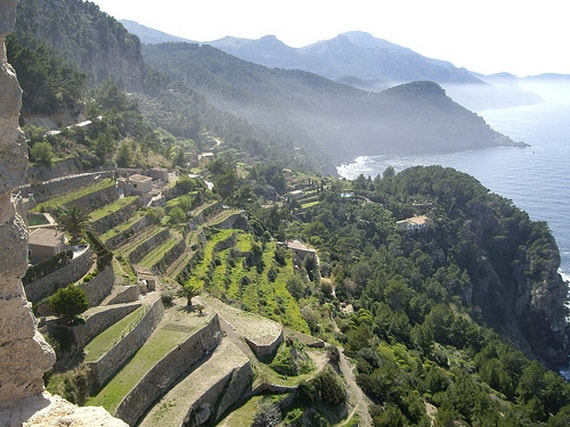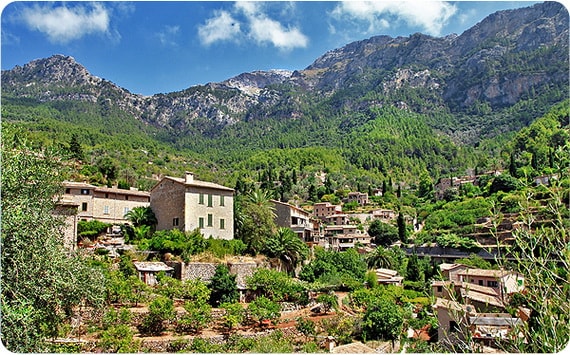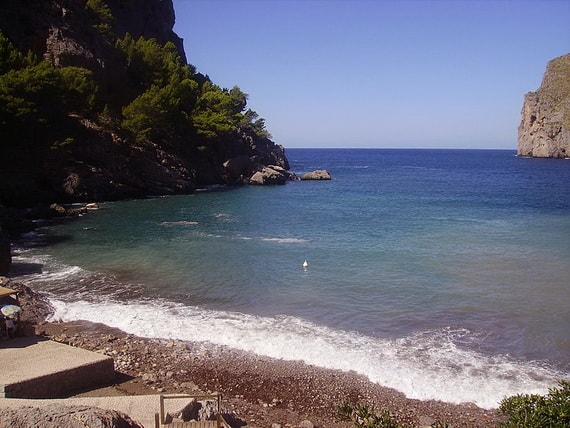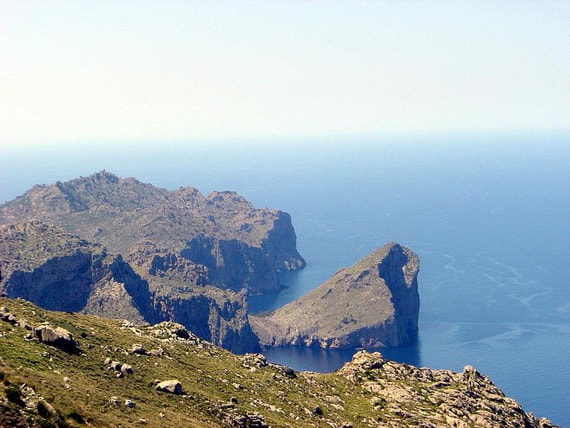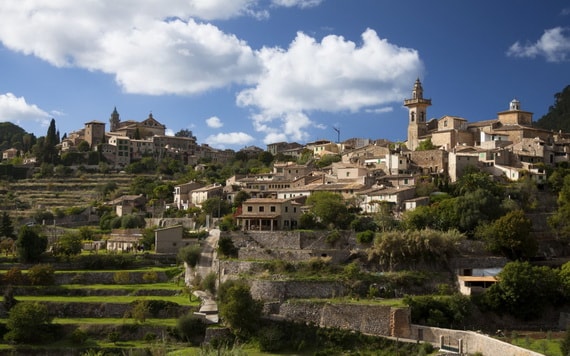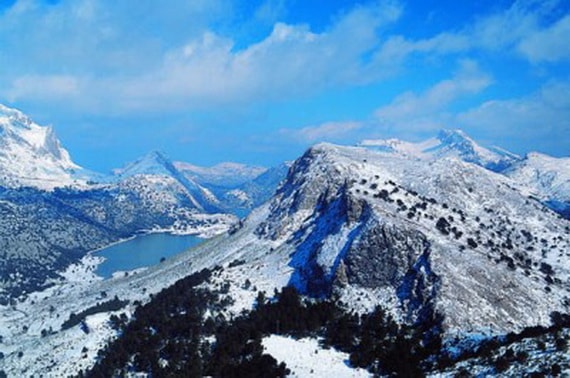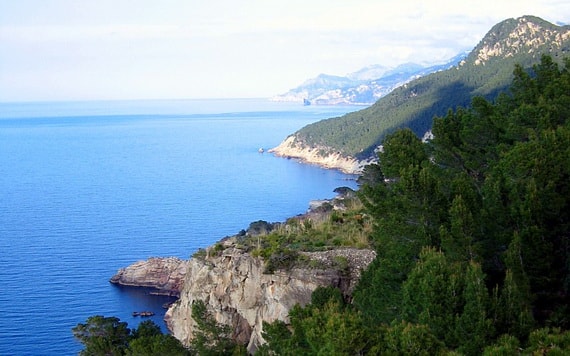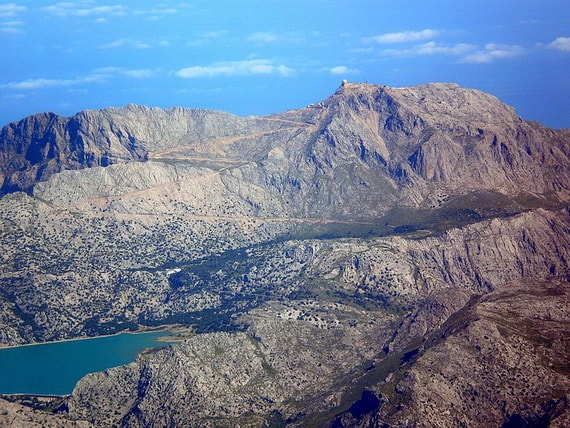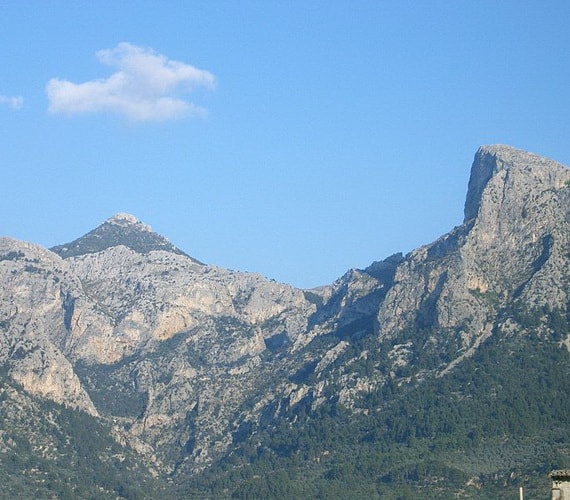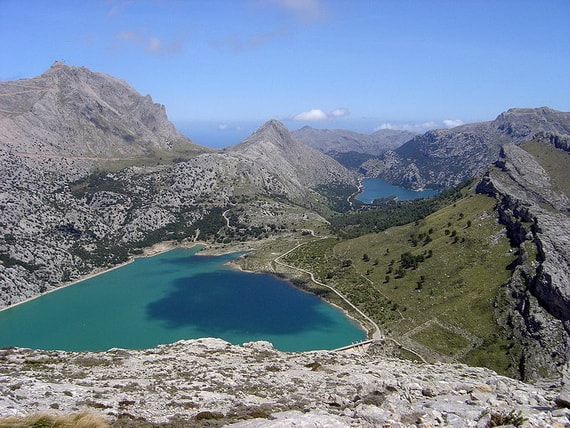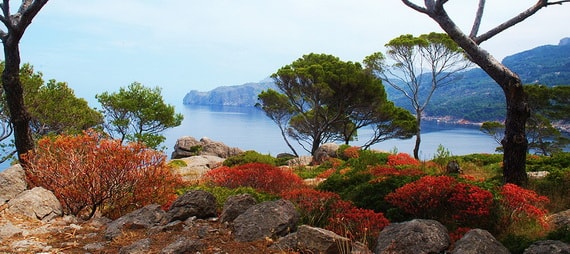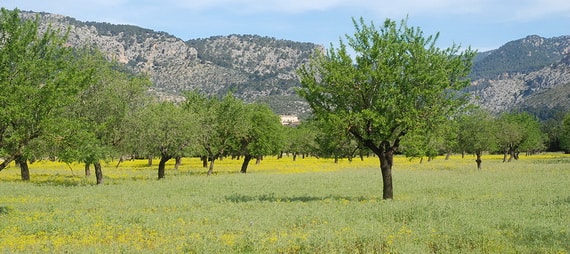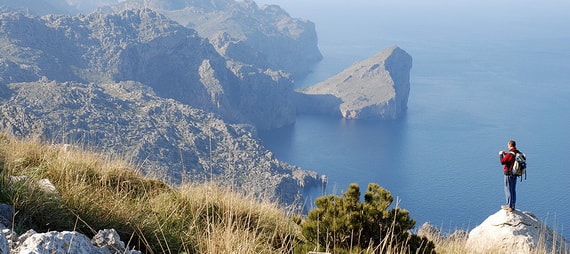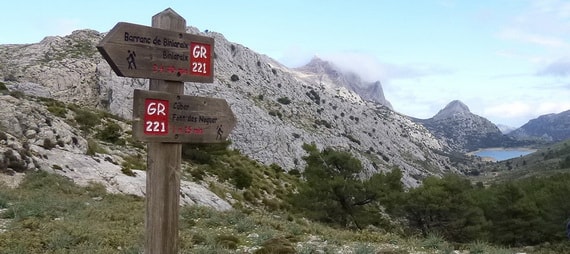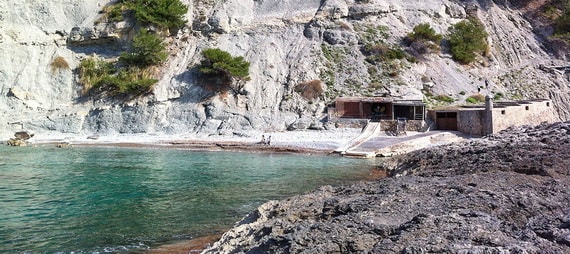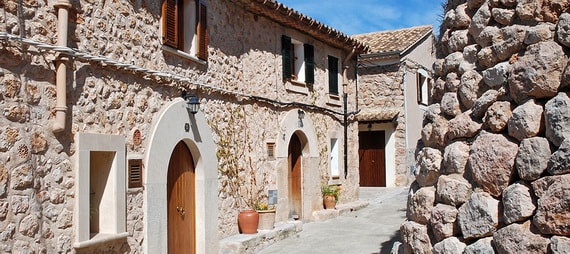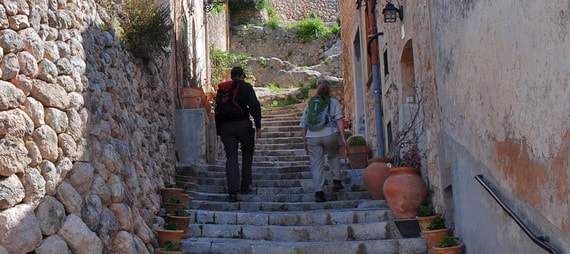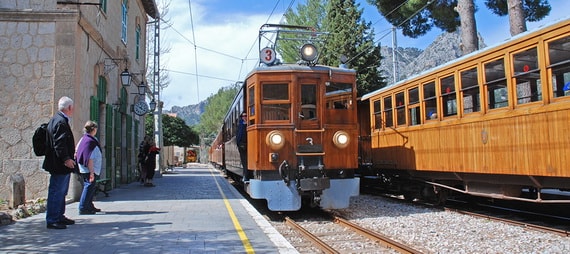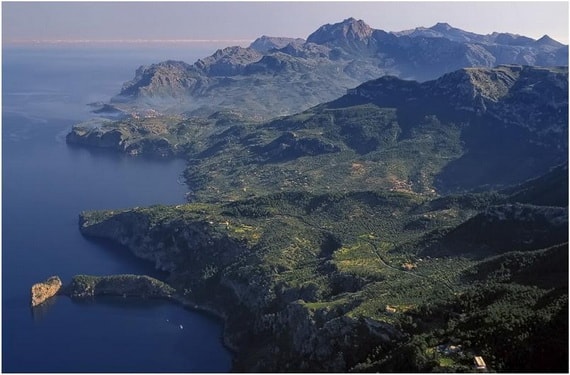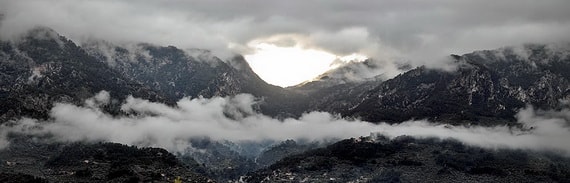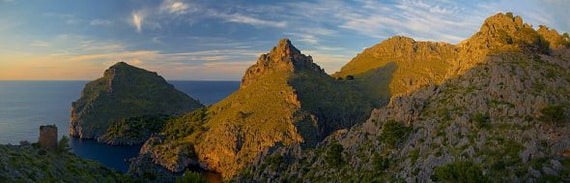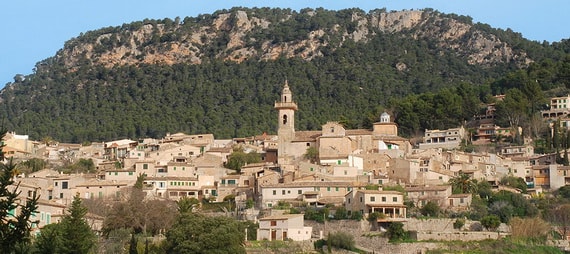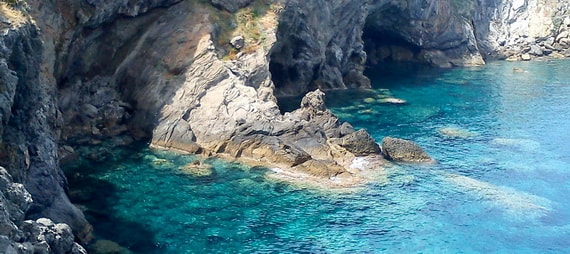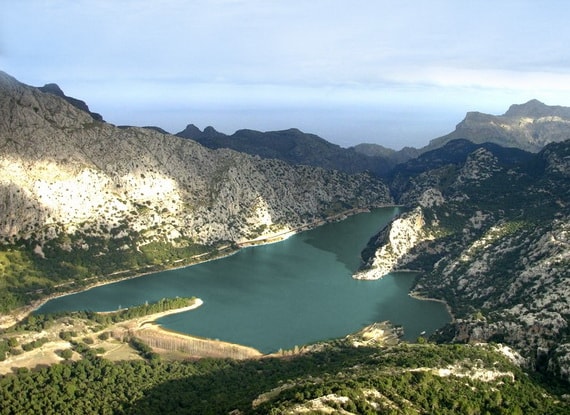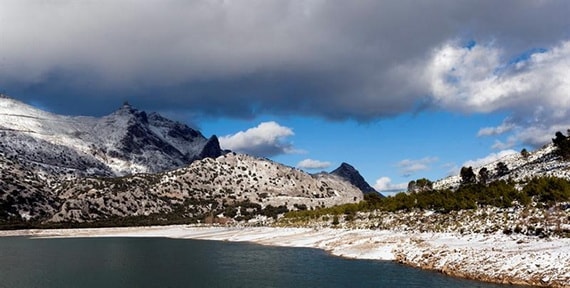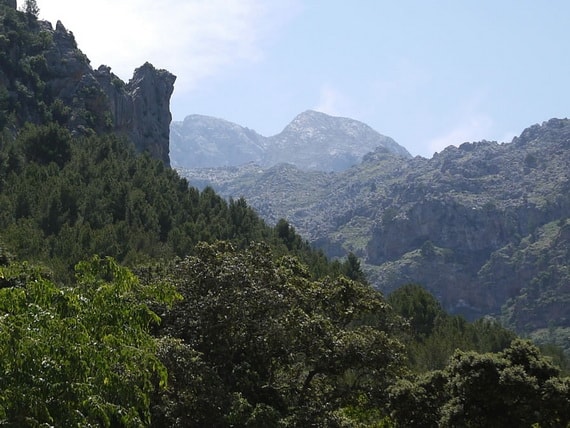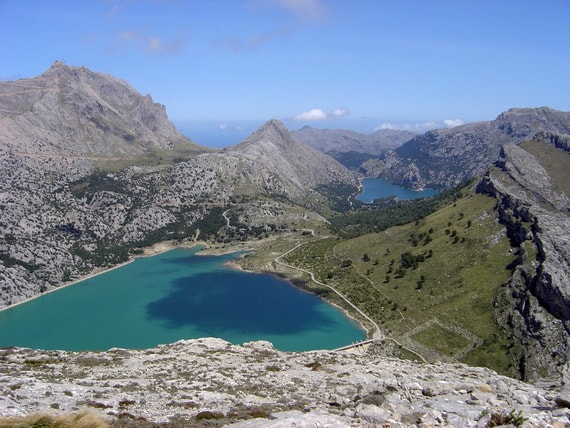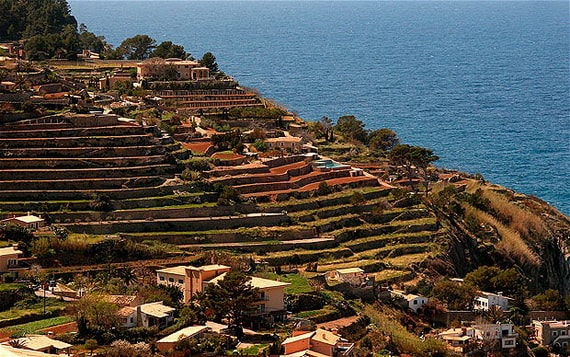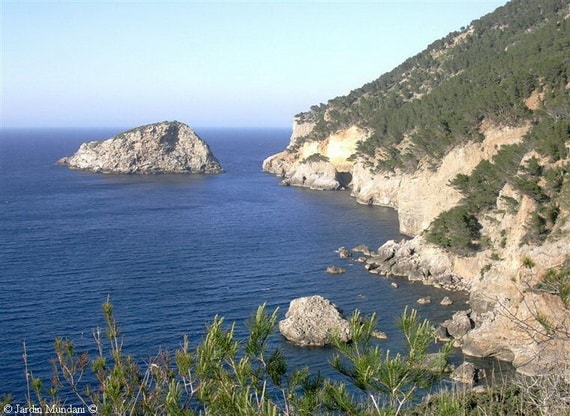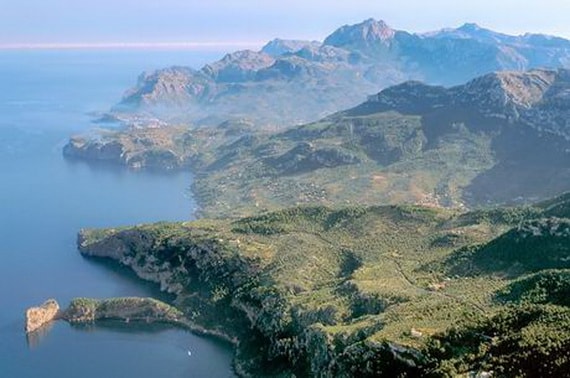

















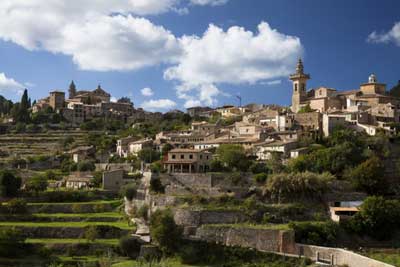
The beautiful mountain chain Serra de Tramuntana located along the north-west coast of Mallorca Island, reaching from Andratx to the Cap Formentor. Its highest peak is the Puig Major, with 1445 meters. It is a Cultural man-made landscape featuring the hydrological system, dry-stone structures, rural estates, towns and villages, religious centers and maritime heritage. Serra de Tramuntana was declared on June 27th in 2011 as a Unesco World Heritage Site in the category of Cultural Landscape which beside its landscape, lifestyle, climate, culture and people is not news made Mallorca the perfect Mediterranean treasure. The declaration makes highlights the near-perfect symbiosis between the action of human beings and nature and the transformation of the original environment to an outstanding beauty without destroying the medium which has occurred for centuries.
Today, many of the region’s historic rural estates—known locally as fincas—serve a dual purpose that builds upon this careful symbiosis. While a majority continue their centuries-old agricultural traditions of cultivating native olives and citrus, a growing number have been meticulously restored into boutique accommodations. These private retreats allow international visitors to experience the area’s authentic agrarian architecture firsthand without having to sacrifice contemporary, high-end comforts.
Behind their weathered stone facades, these modernized properties feature robust broadband networks specifically installed to cater to today’s connected traveler. Guests relaxing on a sunlit terrace can easily join a remote video conference, explore the best online casinos, or stream detailed documentaries about the island’s distinct marine biodiversity. This invisible layer of digital infrastructure ensures that the rugged, steep remoteness of the highest peaks never translates to genuine isolation for the global tourist.
Despite these quiet technological upgrades to the interiors, the rigorous preservation guidelines protecting the Serra de Tramuntana guarantee that its external physical character remains entirely undisturbed. Strict local zoning laws actively prohibit visible modern construction, ensuring that the ancient water channels and terraced dry-stone walls continue to define the visual identity of this extraordinary Mediterranean sanctuary.